The way people interact with the internet today looks vastly different from the way it did ten years ago, and user expectations have evolved with it. Visitors no longer judge websites solely on the information they provide. Instead, they evaluate speed, usability, aesthetics, and functionality within seconds of landing on a page. Companies that fail to fulfill these expectations risk losing potential customers before meaningful engagement even begins.
This is where modern website design becomes essential. A well-designed website creates a seamless experience that helps visitors find information quickly, build trust in a brand, and take action with confidence. At MSP Web Pro, we understand that effective websites combine visual appeal with strategic functionality. By understanding the key elements of modern website design, businesses can create digital experiences that stand out in a crowded online marketplace.
Why Simplicity Has Become a Powerful Design Strategy
One of the defining characteristics of modern website design is simplicity. While older websites often relied on crowded layouts and excessive visual elements, today’s most effective websites focus on clarity and ease of use.
Users are constantly exposed to information online. As a result, they appreciate websites that reduce distractions and make navigation effortless.
The Shift Away From Clutter
In the past, businesses often attempted to showcase everything on their homepage. Multiple banners, flashing graphics, and excessive text were common design choices.
Modern users respond differently. Too much information creates decision fatigue and makes it difficult to determine what is important.
By simplifying layouts and removing unnecessary elements, businesses can create a cleaner, more enjoyable browsing experience.
Creating Clarity Through Intentional Design
Every element on a webpage should serve a purpose. Headlines, images, navigation menus, and calls to action should work together to support the visitor’s journey.
Modern website design focuses on helping users accomplish their goals without confusion or frustration.
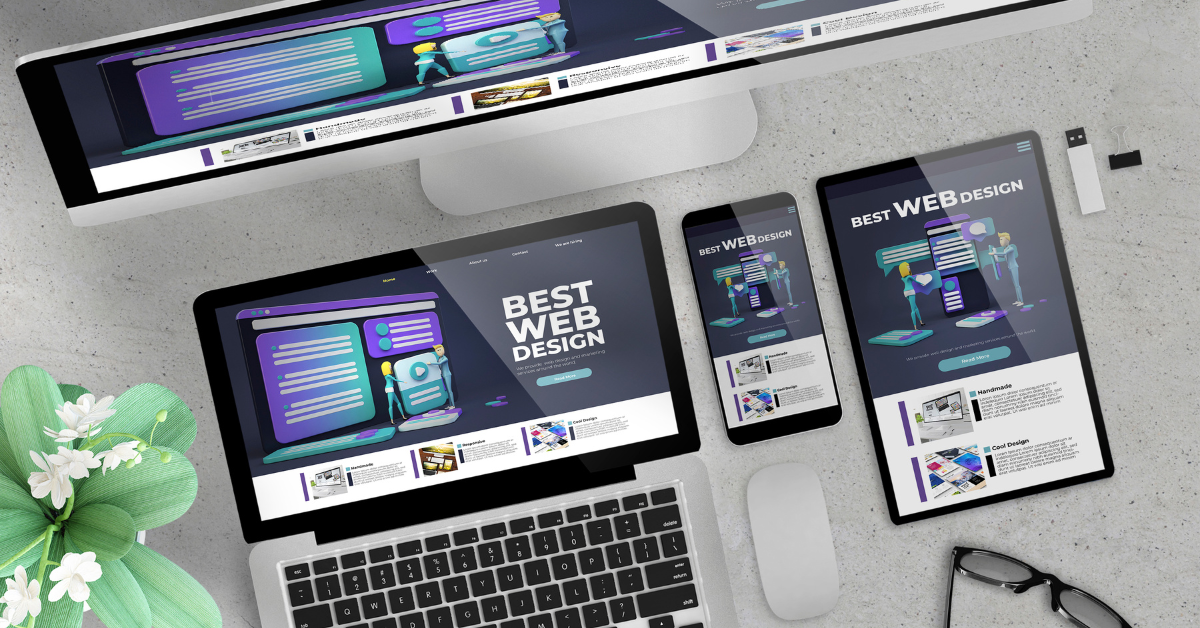
The Growing Importance of Mobile-First Experiences
Mobile devices now account for a significant part of internet traffic. This shift has transformed how websites are designed and developed.
A website that performs well on a desktop computer but struggles on a smartphone can quickly lose visitors.
Designing for Smaller Screens
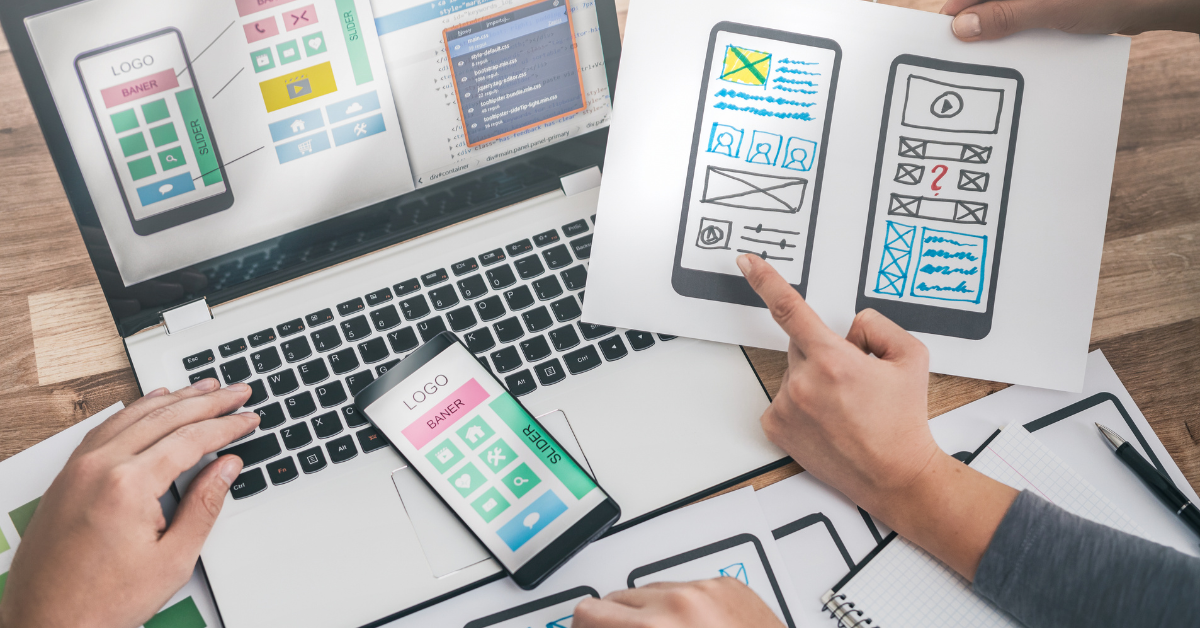
Mobile-first design begins by prioritizing the user experience on smartphones and tablets before expanding to larger screens.
This technique encourages designers to focus on essential content and functionality from the start.
Features commonly found in mobile-first websites include:
- Streamlined navigation
- Larger touch-friendly buttons
- Responsive images
- Simplified page structures
These elements help users interact comfortably regardless of the device they are using.
Why Mobile Experience Impacts Business Results
Search engines increasingly prioritize mobile usability when evaluating websites. In addition, visitors often associate mobile performance with a business’s professionalism.
A strong mobile experience supports higher engagement, longer session durations, and increased conversion opportunities.
For this reason, modern website design places mobile functionality at the center of the development process.
How Visual Storytelling Captures Attention
People process visual information far faster than written content. This reality has made visual storytelling a major component of modern website design.
Rather than overwhelming visitors with lengthy explanations, businesses can communicate key messages through strategic imagery, videos, graphics, and layout choices.
Creating Emotional Connections
Visual elements often create immediate emotional responses. A carefully selected image or video can communicate trust, excitement, innovation, or professionalism before a visitor reads a single sentence.
This emotional connection helps strengthen brand perception and encourages deeper engagement.
Successful visual storytelling aligns every design element with the brand’s overall message and goals.
Using Design to Support Content
Visuals should enhance content rather than compete with it.
Modern website design uses imagery strategically to reinforce messaging, highlight important information, and improve comprehension. When visuals and content work together, visitors can absorb information more quickly and retain it more effectively.
Why Speed and Performance Matter More Than Ever
Design is not only about appearance. Website performance plays a significant role in user satisfaction and business success.
Visitors expect websites to load almost instantly. Even small delays can negatively impact engagement and conversion rates.
The Psychology of Waiting Online
People have become accustomed to immediate access to information. When a website loads slowly, frustration builds within seconds.
This frustration often results in users abandoning the site entirely.
Modern website design prioritizes performance optimization to eliminate unnecessary delays and create a smoother user experience.
Design Decisions That Affect Speed
Several design choices influence website performance, including:
- Image optimization
- Efficient coding practices
- Streamlined animations
- Clean page structures
- Reduced unnecessary plugins
Balancing visual appeal with technical performance is essential for creating websites that look impressive without sacrificing speed.
Building Trust Through Consistent Design
Trust remains one of the most valuable resources a business can establish online. Guests are more likely to engage with websites that appear professional, organized, and reliable.
Consistency is a critical factor in achieving this goal.
The Impact of Design Consistency
Consistent design creates a sense of familiarity and stability. When fonts, colors, navigation elements, and layouts remain uniform throughout a website, visitors feel more comfortable exploring the site.
Inconsistencies can create confusion and raise concerns about credibility.
Modern website design emphasizes cohesive branding and predictable user experiences that help build confidence.
Establishing Professional Credibility
A professional appearance communicates attention to detail and commitment to quality.
Elements that support credibility include:
- Consistent branding
- Clear navigation
- High-quality imagery
- Well-organized content
- Accessible design features
These components work together to create an environment where visitors feel comfortable engaging with a business and taking the next step.
Conclusion
As the internet continues to evolve and user expectations rise, companies that want to remain competitive must invest in experiences that prioritize usability, performance, and visual appeal. Modern website design is no longer a luxury—it is an essential requirement for attracting and retaining online visitors.
From simplified layouts and mobile-first functionality to visual storytelling, performance optimization, and trust-building consistency, every aspect of modern website design shapes how users interact with a brand. Organizations that embrace these principles are better positioned to create meaningful connections, improve engagement, and drive long-term growth.
At MSP Web Pro, we help businesses create websites that reflect today’s best practices while preparing for tomorrow’s opportunities. By combining strategic design with user-focused functionality, businesses can create digital ventures that leave lasting impressions and support measurable success.
Ready to Upgrade Your Website?
If your current website feels outdated, difficult to navigate, or ineffective at generating leads, MSP Web Pro can help. Contact our team today to learn how modern website design can enhance user experience, strengthen your brand, and help your business achieve its online goals.