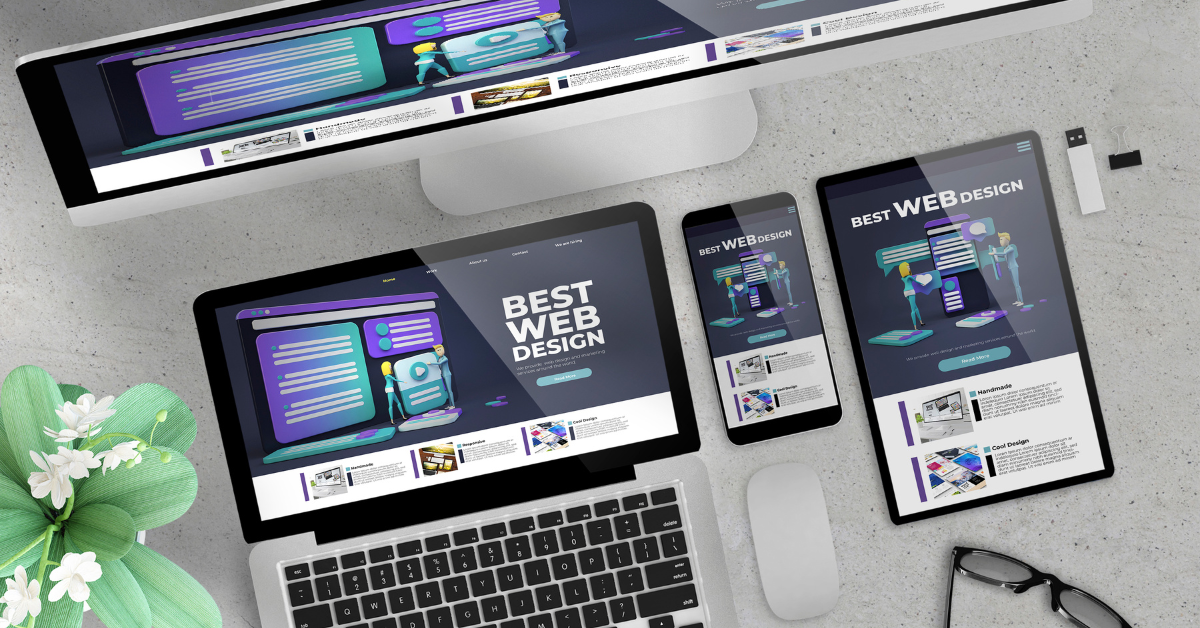
At MSP Web Pro, one thing has become increasingly clear across every industry: people are interacting with business websites on mobile devices more than ever before. Whether someone is researching a service during lunch, comparing businesses from the couch, or searching for contact information while on the go, their phone is often the first place that interaction happens. Because of that, mobile-friendly website design has become one of the most important parts of building an effective online presence.
A website no longer succeeds simply because it looks polished on a desktop monitor. It needs to feel just as intuitive, responsive, and effortless to navigate on a smaller screen. If it doesn’t, visitors notice immediately. They may not think about it in technical terms, but they feel it. They feel when a menu is hard to open, when text feels cramped, or when a page takes too long to load. More importantly, they often leave before giving the business a second chance.
Mobile Users Expect Speed, Clarity, and Convenience
The expectations people bring to mobile browsing are different from those of desktop browsing. Mobile users tend to move quickly. They want information fast, and they want to access it without friction. They are often looking for answers in the moment, whether that means checking business hours, requesting a quote, scheduling an appointment, or reading about a service before making a decision.
When a site isn’t built around that experience, it creates unnecessary barriers. Visitors should never have to pinch and zoom to read a headline or hunt through a complicated menu to find a phone number. A well-executed mobile-friendly website design removes those frustrations by creating an experience that feels natural from the moment someone lands on the page.
That includes things like:
- readable text without zooming
- navigation that’s simple and easy to tap
- fast page load times
- buttons sized properly for mobile interaction
- forms that are easy to complete on a touchscreen
- layouts that adapt cleanly to different screen sizes
These details may seem small on their own, but together they shape how people experience a brand online.
Better Mobile Design Supports Better Search Visibility
There’s also a direct connection between mobile usability and search performance. Search engines prioritize user experience, and that includes how a website performs on mobile devices. If visitors arrive on a page and quickly leave because it’s difficult to use, that behavior sends a signal.
A strong, mobile-friendly website design supports better SEO by improving the experience after the click. It can reduce bounce rates, increase time spent on site, and make it easier for users to move between pages. Those engagement signals matter, especially in competitive industries where businesses are competing for visibility in search results.
More importantly, mobile-friendly pages tend to better align with how people search today. Mobile searches are often action-oriented. Someone searching from a phone is usually looking to solve something quickly. That makes usability just as important as the content itself. You can rank well, but if the page feels frustrating to use, the opportunity often ends there.
Good Mobile Design Creates More Opportunities to Convert
A website’s design should guide people toward action, not slow them down once they arrive. That’s why mobile optimization has such a direct impact on conversions.
Many businesses spend significant time and money driving traffic to their websites through SEO, paid advertising, or social media. But if that traffic lands on a poor mobile experience, those marketing efforts become less effective. The visitor came ready to engage, but the website made it harder than necessary.
A thoughtful, mobile-friendly website design supports conversion by making the next step feel obvious. Whether that next step is calling the business, filling out a form, requesting a quote, or booking an appointment, the path should feel clear and uncomplicated.
Some of the most effective improvements are also the simplest:
- keeping contact buttons visible
- shortening lead forms
- simplifying page layouts
- reducing visual clutter
- improving page speed
- making calls to action easier to find
None of these changes are flashy, but they consistently improve usability and performance.
Content Should Be Written With Mobile Readers in Mind
Mobile-friendly design goes beyond layout and development. Content plays a major role in the experience, too.
A page that feels easy to read on a desktop can feel overwhelming on a phone if the formatting is dense or difficult to scan. Mobile users often read differently. They move faster, skim more, and rely on headings and spacing to guide them.
That doesn’t mean content needs to feel sparse or oversimplified. It just means it should be structured thoughtfully. Clear headings, shorter paragraphs, and intentional spacing help make information easier to absorb without sacrificing depth.
Strong mobile-friendly website design pairs visual structure with readable content. The design supports the copy, and the copy supports the user journey. When both are working together, visitors stay engaged longer because the experience feels effortless.
Mobile Is Often the First Impression of Your Business
For many businesses, mobile is no longer a secondary version of the website. It is the first impression.
A potential customer may never visit from a laptop. Their entire perception of your company may be shaped by how your website performs on their phone in a single moment.
That makes mobile design about more than convenience. It becomes part of your credibility. A smooth experience feels professional. A frustrating one feels outdated. Users may never say that directly, but it influences how much trust they place in the business.
Businesses that prioritize mobile-friendly website design are ultimately building around how people actually behave online today. They’re respecting the visitor’s time, making information easier to access, and creating fewer obstacles between interest and action.
At MSP Web Pro, we see mobile usability as one of the strongest foundations of an effective business website. When a site works seamlessly across devices, it creates a better experience for users, supports stronger SEO performance, and makes it easier for visitors to become customers. In a world where first impressions happen quickly and often on a phone screen, mobile-friendly website design is no longer optional—it’s essential.
Conclusion
If your website isn’t delivering the experience your customers expect, it may be time for a smarter approach. Contact MSP Web Pro today to start building a website that performs beautifully on every screen.